
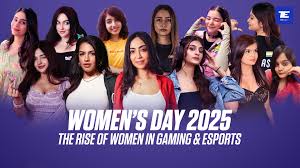
Esports has grown into a global industry worth billions of dollars, with millions of fans watching professional gamers compete across games such as Valorant, League of Legends, BGMI, Free Fire, and CS: GO. For a long time, esports was seen as a male-dominated space, but that image is slowly changing. MoreFemale are now stepping into competitive gaming, content creation, team management, coaching, and broadcasting. While the growth of women in esports is inspiring, the journey is not easy. Female gamers still face many challenges, including stereotypes, harassment, lack of opportunities, and limited representation at the highest level.
The Rise of Female in Esports
Over the past decade, the number of Female entering esports has increased significantly. More girls are playing games from a young age, and many are now choosing gaming as a serious hobby or even a career path. Platforms like Twitch, YouTube, and Instagram have given female gamers the ability to build their own audience and showcase their skills. Games such as Valorant, Fortnite, PUBG Mobile, and Mobile Legends have helped make esports more accessible because they can be played on PCs, consoles, and mobile devices.
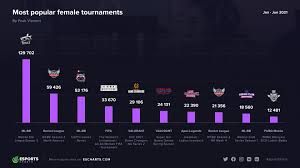
Women are no longer only seen as casual gamers. Today, there are professional female esports teams, mixed-gender rosters, and all-women tournaments. Events like the Valorant Game Changers series were created specifically to give women a safe and competitive platform. These tournaments help build confidence, experience, and visibility for female players who want to compete at the highest level. As a result, more women are now being scouted by professional organizations and sponsored by esports brands.
Why Female’s Participation in Esports Is Important
The growth of women in esports is not just about fairness. It is also important for the future of the industry. Esports is meant to be inclusive and global, and that means representing everyone. When women participate in esports, the community becomes more diverse, creative, and welcoming. It also encourages young girls to believe that gaming is not just for boys.
Another key benefit is that more female players bring new fans to esports. Families, friends, and communities support female gamers, which increases overall viewership and engagement. Sponsors and brands are also more likely to invest in esports when they see diversity and positive social impact. In simple words, women in esports help the entire industry grow.
Challenges Female Face in Esports
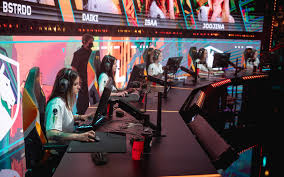
Despite all this progress, women in esports still face many difficulties. One of the biggest challenges is online harassment. Female gamers often receive negative comments, sexist jokes, and even threats during live streams or matches. This toxic behavior can be emotionally exhausting and discouraging, especially for beginners.
Another major challenge is the lack of equal opportunities. Most professional esports teams are still male-dominated, and very few women are signed to top-tier organizations. Even when female players are skilled, they are sometimes not taken seriously. Many people wrongly assume that women are not as good at gaming as men, which is completely untrue.
There is also a shortage of female role models in esports. When young girls do not see women winning tournaments or leading teams, they may feel that esports is not meant for them. Representation matters a lot, and the industry still needs more visible female champions, coaches, and leaders.
Stereotypes and Gender Bias
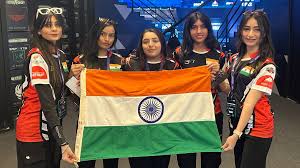
Stereotypes play a big role in slowing down the growth of women in esports. Some people believe that women only play games for attention or that they are not competitive enough. These ideas are harmful and outdated. Gaming skills depend on practice, strategy, teamwork, and dedication, not gender.
Gender bias also affects sponsorships and salaries. Male esports players usually earn more through prize money, endorsements, and contracts. Female players often struggle to find sponsors, even when they have similar skills and popularity. This financial gap makes it harder for women to continue esports as a full-time career.
Safety and Mental Health Issues
Mental health is another serious concern for women in esports. Constant criticism, online abuse, and pressure to perform can lead to stress, anxiety, and burnout. Many female gamers stop competing because the environment feels unsafe or unwelcoming.
Some women avoid voice chat during games to protect themselves from harassment. Others hide their identity or use gender-neutral usernames. These actions show how unsafe the gaming environment can feel for women. Creating a safer space is essential for long-term growth.
Positive Changes in the Esports Industry
The good news is that the esports industry is slowly improving. Many organizations are now promoting diversity and inclusion. Tournament organizers are introducing women-only leagues to give female players experience and exposure. Esports companies are also creating anti-harassment policies and moderation tools to protect players.
Brands like Riot Games, ESL, and FACEIT have launched programs to support women in gaming. Universities and schools are also offering esports scholarships and clubs for female students. These efforts are helping change the culture and mindset of the esports community.
Successful Women in Esports
There are already many inspiring women in esports who are proving that talent has no gender. Players like Geguri in Overwatch, Scarlett in StarCraft, and Julia “juliano” Kiran in CS:GO have competed at the highest level. Streamers like Pokimane, Valkyrae, and Kyedae have built massive audiences and strong personal brands.
In mobile esports, female players and content creators are also gaining popularity. Women are now visible not only as players but also as coaches, analysts, hosts, and team owners. These success stories are encouraging more women to enter the esports world.
The Role of Mixed-Gender Teams
Mixed-gender teams are an important step toward equality in esports. When men and women play together, it breaks stereotypes and proves that teamwork and skill matter more than gender. Some esports organizations are already experimenting with mixed rosters.
However, mixed-gender teams also need proper support and fair treatment. Female players should not be included only for marketing or diversity reasons. They deserve equal respect, training, and competitive opportunities.
How to Support Female in Esports
Supporting women in esports is not just the responsibility of female gamers. Everyone in the community can help. Fans can speak up against toxic behavior and report harassment. Game developers can design safer online environments. Tournament organizers can create inclusive events. Brands can sponsor female teams and players.
Parents and schools also play an important role. Encouraging girls to play games and join esports clubs builds confidence from a young age. Media outlets should highlight women’s achievements in esports to improve visibility.
Future of Female in Esports
The future of women in esports looks hopeful. More girls are growing up with gaming as a normal hobby. Social media and streaming platforms are giving women direct access to fans and opportunities. Esports organizations are becoming more aware of diversity issues.
With continued support, education, and cultural change, women will have a stronger presence in professional esports. We may soon see more female champions, mixed-gender teams, and equal prize pools.
Conclusion
Female in esports are breaking barriers and changing the industry for the better. While there has been impressive growth in recent years, many challenges remain, including harassment, stereotypes, lack of opportunities, and unequal pay. However, positive changes are happening through women-only leagues, inclusive policies, and growing awareness.
Esports has the power to become one of the most inclusive competitive industries in the world. By supporting women gamers, celebrating their achievements, and creating safer environments, the esports community can build a fair and exciting future. Women belong in esports, not as an exception, but as equals
