
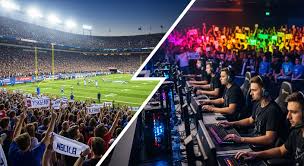
Sports in India are going through one of the most interesting changes in history. For many decades, traditional sports like cricket, football, hockey, and kabaddi have been at the center of Indian culture. Stadiums full of cheering fans, families gathering around the television, and children dreaming of becoming famous athletes have always been part of our daily life. Sports were not only entertainment, they were emotion, identity, and pride.
But today, a new form of competition is quietly changing the meaning of sports in India. Esports, or competitive video gaming, is no longer just a hobby. It has become a serious industry with professional players, big tournaments, sponsors, and millions of online viewers. Young people are now watching gaming matches with the same excitement as cricket finals. This creates a very important question for the future: between esports and traditional sports, which one has a bigger future in India?
To answer this, we need to compare both worlds carefully. Each has its own strengths, challenges, and opportunities. Instead of choosing one side too quickly, it is better to understand how Indian sports culture is evolving.
The Strong Roots of Traditional Sports in India
Traditional sports have a very deep connection with Indian society. Cricket is the biggest example of this bond. From street cricket in small villages to international matches in giant stadiums, cricket unites people from all backgrounds. The Indian Premier League has taken this love to another level by turning cricket into a global entertainment industry. Top players from around the world come to India, sponsors invest huge amounts of money, and fans follow every match with passion.
Football is also growing slowly but steadily. The Indian Super League has helped improve infrastructure, coaching, and youth development. Kabaddi, which was once seen as a rural sport, has found new life through the Pro Kabaddi League and now enjoys nationwide popularity. Apart from these, sports like badminton, wrestling, boxing, shooting, and athletics have gained respect because Indian athletes are performing well at the Olympic and world levels.
One of the biggest strengths of traditional sports is their well-developed system. There are sports academies, trained coaches, national federations, and government programs that support young talent. Schools and colleges organize competitions, scholarships are offered to promising players, and international tournaments provide exposure and experience.
Families trust traditional sports. Parents believe that sports build discipline, teamwork, fitness, and strong character. Becoming a national or international athlete is considered honorable and respectable. Government jobs, awards, and lifelong recognition also make traditional sports a secure career option. This long history and social trust give traditional sports a stable foundation that will continue for many years.
The Fast and Exciting Rise of Esports in India
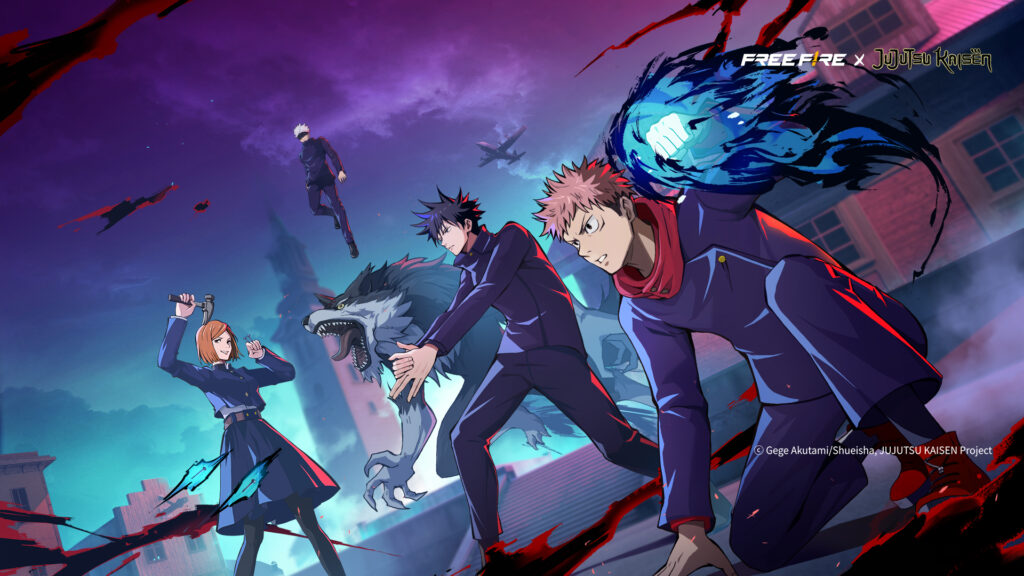
Esports may be new, but its growth is surprisingly fast. What started as casual gaming in homes has now become a professional industry. Games like BGMI ,Free Fire, Valorant , Call of Duty Mobile, and Pokémon Unite have built large competitive communities. National and international tournaments are organized regularly, and prize pools are becoming bigger every year.
One of the main reasons behind the success of esports is accessibility. Unlike traditional sports, you do not need a stadium, a coach, or expensive equipment. A smartphone or computer and a stable internet connection are enough to begin. This allows players from small towns and villages to compete with players from big cities. Geography is no longer a limitation.
Technology plays a very important role here. India has one of the cheapest mobile data rates in the world, and smartphone usage is increasing rapidly. High-speed internet, affordable gaming devices, and easy access to online platforms have brought millions of Indians into the gaming world. Streaming platforms like YouTube and gaming apps allow fans to watch live matches, follow their favorite players, and even interact with them in real time.
For the younger generation, esports feels natural. They are already comfortable with digital devices, online communities, and social media. Watching an esports match on a phone or laptop is as exciting for them as watching a cricket match on television. This strong connection with young audiences gives esports a powerful advantage for the future.
Training and Skill Development: Physical Strength vs Mental Speed
One of the biggest differences between traditional sports and esports lies in training and skill development. Traditional sports depend heavily on physical fitness. Athletes need strength, stamina, flexibility, and endurance. They follow strict daily routines, balanced diets, and long practice sessions. Injuries are common, and recovery can take weeks or even months. Success often depends on natural physical ability along with years of disciplined training.
Esports focuses more on mental skills. Players must have fast reflexes, sharp decision-making ability, strong concentration, and excellent teamwork. They spend hours practicing strategies, understanding game mechanics, and improving coordination with teammates. Physical injuries are rare, but mental stress, eye strain, and posture problems can become serious issues if players do not maintain a healthy lifestyle.
Both forms of sports require dedication, patience, and continuous improvement. The difference is not in effort, but in the type of skills involved. One trains the body more, the other trains the mind more.
Career Opportunities: Limited Paths vs Expanding Digital Careers
Traditional sports offer clear and respected career paths. Athletes can become professional players, coaches, referees, fitness trainers, and sports administrators. Successful players earn through contracts, sponsorships, prize money, and endorsements. Government support, sports quotas, and awards provide long-term security. However, the competition is extremely tough, and only a small percentage reach the top level.
Esports offers a much wider range of career options. Apart from professional players, there are opportunities as streamers, content creators, shoutcasters, analysts, team managers, event organizers, social media managers, and game developers. Many gamers earn money through live streaming, YouTube channels, brand collaborations, and online tournaments.
The digital nature of esports makes it easier to build a personal brand. A talented player or entertainer can gain thousands of followers and create multiple income sources. This flexibility attracts many young people who prefer creative and independent career paths.
Audience and Fan Culture: Stadium Energy vs Online Interaction
Traditional sports still dominate mass audiences. Cricket matches bring families together, and stadiums are filled with energetic fans waving flags and chanting slogans. Victories in international tournaments create national celebrations and unforgettable memories. The emotional connection between players and fans is very deep.
Esports has created a different kind of fan culture. Viewers watch matches online, chat with other fans, and communicate directly with players through social media and live streams. This interaction feels more personal and informal. Fans feel closer to their idols because they can send messages, ask questions, and even play with them sometimes.
While traditional sports still win in total numbers today, esports is slowly building a loyal and highly engaged community that will grow stronger in the coming years.
Support System and Recognition: Stability vs Growing Structure
Traditional sports enjoy strong institutional support. There are clear rules, governing bodies, player protection policies, and international recognition. Athletes represent India at the Olympics and world championships, bringing medals and pride to the nation. These systems provide stability and security.
Esports is still developing its structure. Government recognition is improving, and esports federations are being formed, but many rules and protections are still unclear. Concerns about gaming addiction, mental health, and career uncertainty remain common among parents and educators.
However, as esports continues to grow, better regulations, training programs, and support systems are expected to emerge. This will make esports a more reliable career option in the future.
Key Differences Between Esports and Traditional Sports
• Traditional sports are physically demanding, while esports is mentally demanding.
• Traditional sports need stadiums and infrastructure, esports needs internet and devices.
• Traditional sports have long history and strong systems, esports is new but fast-growing.
• Traditional sports attract all age groups, esports mainly attracts younger audiences.
• Traditional sports offer fewer but stable careers, esports offers many flexible digital careers.
Which Has a Bigger Future in India?
The honest answer is that both have very bright futures.
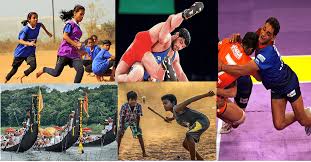
Traditional sports will always remain the backbone of Indian sports culture. Cricket, football, kabaddi, and Olympic sports will continue to receive strong support, funding, and national pride. Their emotional connection with society and deep cultural roots make them impossible to replace.
Esports represents the future of digital entertainment. Its rapid growth, young audience, and technology-driven nature give it enormous potential. In the next ten years, esports may become as popular and respected as some traditional sports. Schools may introduce esports clubs, sports academies may train gamers, and professional teams may exist in both physical and digital sports.
Instead of competing, both worlds are likely to grow together. Many sports organizations are already investing in esports, and athletes are becoming gaming ambassadors. The future of Indian sports will be a healthy mix of tradition and innovation.
Final Thoughts
Esports versus traditional sports is not a fight. It is a story of evolution. Traditional sports carry history, discipline, fitness, and national pride. Esports brings innovation, accessibility, creativity, and new career opportunities.
The real future of sports in India is not about choosing one side. It is about supporting talent in every form and giving young Indians the freedom to follow their passion, whether on the playground, in the stadium, or on the digital battlefield.
